
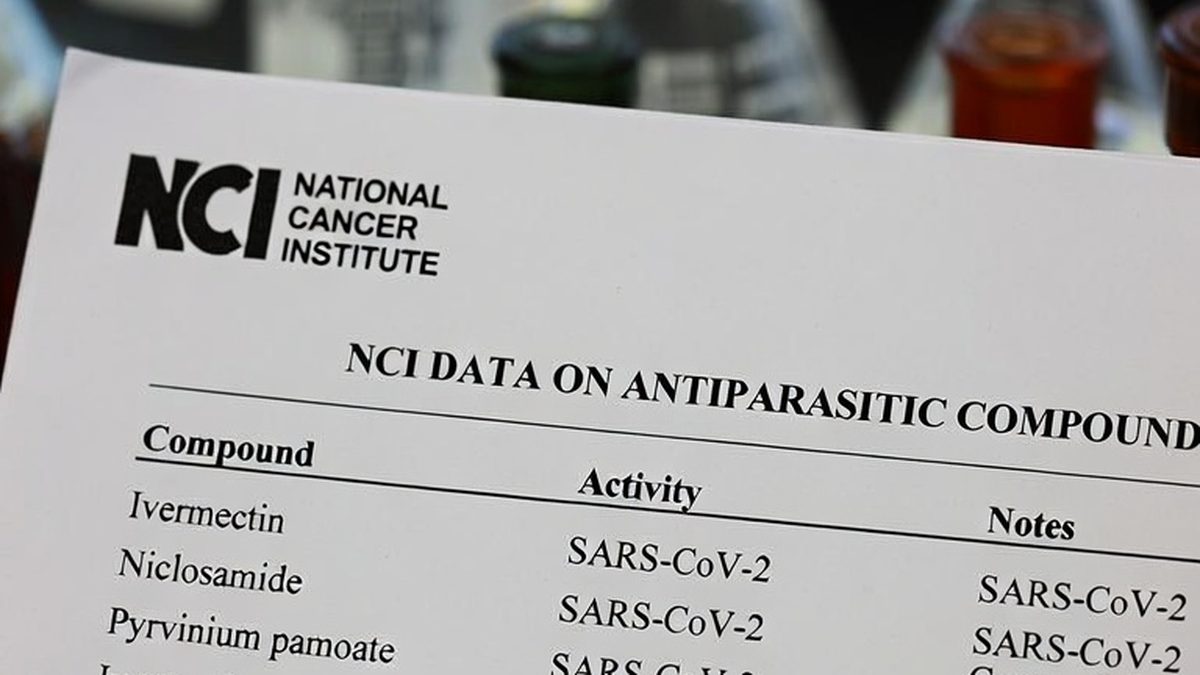
The National Cancer Institute maintains publicly accessible databases tracking every cancer drug currently under investigation in registered clinical trials. A careful search of those databases — combined with a review of the peer-reviewed literature published in journals such as Anticancer Research, Pharmacological Research, and multiple PMC open-access publications — reveals a consistent and growing body of evidence for three antiparasitic compounds: ivermectin, fenbendazole, and mebendazole.
This article does not prescribe treatments or advocate for any clinical approach. It translates what the published science actually says, as of the most recent available literature, without the distortions introduced by either mainstream dismissal or the breathless overclaiming common on wellness platforms.
How These Compounds Are Being Studied
All three compounds belong to classes of drugs with decades of established human safety data. Ivermectin has been approved by the FDA for human use since 1987 and has been administered to hundreds of millions of people globally. Mebendazole is an FDA-approved antiparasitic commonly used for intestinal infections. Fenbendazole is primarily a veterinary compound, though closely related to the human-approved albendazole and mebendazole.
The proposed anticancer mechanisms vary by compound but share common threads:
- Microtubule disruption. Fenbendazole and mebendazole both inhibit tubulin polymerisation — the same mechanism exploited by established chemotherapy agents like vincristine and taxol. A 2024 review in Anticancer Research confirmed that fenbendazole destabilises microtubules, induces oxidative stress, and inhibits glucose uptake in cancer cells.
- PAK1 and WNT signalling inhibition. Ivermectin has been shown to block PAK1 kinase and WNT-TCF signalling pathways involved in cancer proliferation and metastasis. A PMC study demonstrated that it promoted PAK1 degradation via the proteasome pathway in oesophageal squamous cell carcinoma.
- Blood-brain barrier penetration. Mebendazole crosses the blood-brain barrier more effectively than many chemotherapy agents — a property explored in glioma research. A 2023 review in International Journal of Molecular Sciences summarised clinical trial data on MBZ in brain cancers, noting trials in acute myeloid leukaemia, oropharyngeal squamous cell carcinoma, and prostate cancer.
- Multidrug resistance reversal. Some studies suggest ivermectin may inhibit P-glycoprotein overexpression, reducing the efflux of chemotherapy drugs from cancer cells — a mechanism implicated in treatment resistance.
What the Clinical Trial Registry Shows
A search of ClinicalTrials.gov — the U.S. government's database of registered clinical studies — returns multiple active and completed trials for each compound. These are not fringe investigations; registered trials include academic medical centres and published phase I/II protocols.
A notable 2025 ASCO presentation involved a phase I/II study evaluating ivermectin in combination with balstilimab in patients with metastatic triple-negative breast cancer at Cedars-Sinai Medical Center — one of the first human trials explicitly combining the compound with immunotherapy.
For fenbendazole, a 2025 PMC case series documented three patients who incorporated FBZ into their cancer protocols and achieved either complete or near-complete remission, including one patient whose circulating tumour DNA dropped from 123.37 to undetectable within seven weeks.
What the Research Does Not Show
Intellectual honesty requires equal clarity about what the literature does not establish. As of current data:
- No large-scale randomised controlled trial has confirmed clinical efficacy for any of these compounds as standalone cancer treatments in humans.
- Most published studies are preclinical (cell lines or animal models), case reports, or small phase I safety studies.
- Dosing, administration route, and combination protocols have not been standardised for oncological use.
- The Anticancer Fund, a peer-reviewed drug repurposing organisation, notes that while laboratory findings are promising, robust clinical evidence remains insufficient to make definitive efficacy claims.
Why This Information Is Hard to Find
The primary obstacle to public awareness is not a lack of data — it is a lack of synthesis. The relevant studies exist in PubMed, PMC, and Anticancer Research, but are scattered across hundreds of individual papers. The Information Station series was built precisely to perform this synthesis: to read the primary literature, identify the credible signal within it, and present it in accessible language without distortion in either direction.
For those who wish to engage with the primary sources directly, the links below provide unmediated access to the peer-reviewed literature.
Primary Sources & Further Reading
- Oral Fenbendazole for Cancer Therapy — Anticancer Research, 2024
- Fenbendazole Case Series: Three Remissions — PMC, 2025
- Ivermectin Antitumour Effects at Clinical Concentrations — PubMed
- Ivermectin Converts Cold Tumours Hot — PMC
- Mebendazole Repurposing for Brain Cancers — PMC, 2023
- Progress in Redirecting Antiparasitic Drugs for Cancer — PMC
- ClinicalTrials.gov — Fenbendazole
- ClinicalTrials.gov — Ivermectin Cancer
- ClinicalTrials.gov — Mebendazole Cancer